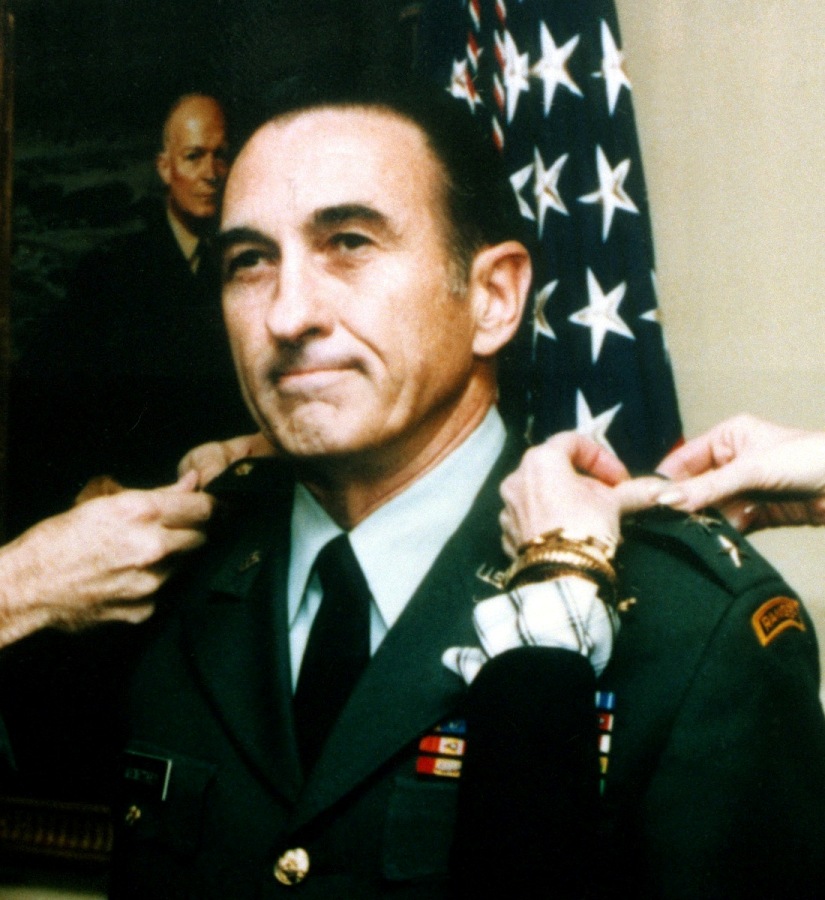
Understanding Promotion: Career Advancement vs. Marketing Strategy
The term "promotion" is a fascinating example of a word carrying significant weight across vastly different professional landscapes. While it might immediately bring to mind a glossy advertisement for a new product, or perhaps the excitement of climbing the corporate ladder, its true essence lies in its dual meaning. Understanding these distinct applications – one focused on individual professional growth and the other on strategic business communication – is crucial for anyone navigating the modern professional or commercial world.
At its core, promotion signifies advancement or encouragement. However, the specific context entirely alters its implications, objectives, and methods. Whether we're discussing an employee's career career advancement or a company's marketing strategy to boost sales, the concept of "promotion" is central to driving growth and achieving desired outcomes. Let's delve into these two primary interpretations.
Promotion as Career Advancement: Climbing the Corporate Ladder
In the realm of employment, a promotion is a coveted milestone, signifying an individual's upward movement within an organizational hierarchy. This advancement typically involves elevating an employee to a higher position, rank, or level of responsibility. More often than not, it comes hand-in-hand with greater authority, additional duties, and a well-deserved increase in compensation.
A career promotion is far more than just a new job title; it's a powerful form of recognition. It acknowledges an employee's strong performance, dedication, skill development, and often, their tenure within the company. For the individual, it's a key mechanism for:
- Career Progression: A clear path for growth and development within their chosen field.
- Enhanced Motivation: The recognition and increased responsibilities serve as a significant morale booster.
- Increased Compensation: A tangible reward that improves financial well-being.
- Skill Development: Often, new roles require the acquisition of advanced skills and leadership qualities.
- Professional Validation: A confirmation that their contributions are valued and impactful.
From an organizational perspective, effectively managing employee promotions is vital for talent retention, succession planning, and fostering a high-performance culture. Companies that offer clear pathways for advancement tend to have more engaged and loyal workforces. To earn a promotion, employees commonly need to demonstrate consistent competence, take initiative, acquire new skills, and sometimes, fulfill a minimum period of service in their current role. It's about proving readiness for the next level of challenge and contribution.
Tips for Earning a Career Promotion:
- Exceed Expectations: Consistently deliver high-quality work and go above and beyond your current job description.
- Develop New Skills: Identify the skills needed for the role you aspire to and proactively acquire them through training or self-study.
- Seek Mentorship: Learn from those who have successfully navigated career paths within your organization.
- Network Effectively: Build relationships with colleagues, managers, and leaders across different departments.
- Communicate Your Ambition: Have open conversations with your manager about your career goals and interest in advancement.
- Solve Problems: Position yourself as a solution-provider, demonstrating leadership and strategic thinking.
For more detailed insights on fostering employee growth, explore our article on Career Promotion: Elevating Your Role & Boosting Employee Motivation.
Promotion as Marketing Strategy: Driving Awareness and Sales
Shifting gears entirely, the second prominent meaning of promotion places it firmly within the context of business and marketing. Here, promotion refers to the strategic communication efforts employed by organizations to inform, persuade, or remind target audiences about a product, service, brand, or idea. The ultimate goal of marketing promotion is to increase awareness, generate interest, drive sales, and cultivate brand loyalty.
This meaning of promotion is famously one of the "Four Ps" of the marketing mix – Product, Price, Place, and Promotion – a framework formalized by E. Jerome McCarthy in 1960. While Product deals with what's being offered, Price with its cost, and Place with its distribution, Promotion focuses exclusively on how its value is communicated to the market.
The scope of marketing promotion is vast, encompassing a variety of communication strategies and tactics:
- Advertising: Paid, non-personal communication through various media (TV, radio, print, digital ads).
- Sales Promotion: Short-term incentives to encourage purchase (discounts, coupons, loyalty programs, "buy one get one free" offers).
- Public Relations (PR): Managing the spread of information between an organization and the public, often through unpaid or earned media to build a positive image.
- Personal Selling: Direct interaction between a salesperson and a prospective customer to influence a purchase decision.
- Direct Marketing: Communicating directly with individual customers (email marketing, telemarketing, direct mail).
- Digital Marketing: Utilizing online channels like social media, search engines, and websites to reach consumers.
These activities are meticulously planned to boost consumer attention, enhance brand perception, and ultimately drive consumer action. Whether it's a seasonal sales campaign, a major brand launch, or an ongoing effort to maintain market presence, effective promotion is critical for a business's success and sustainability.
Keys to Effective Marketing Promotion:
- Understand Your Audience: Tailor your message and channels to resonate with your target demographic.
- Define Clear Objectives: What do you want to achieve? (e.g., 20% increase in brand awareness, 15% sales growth).
- Integrated Communication: Ensure all promotional activities work together seamlessly to deliver a consistent brand message.
- Measure & Analyze: Track the effectiveness of your campaigns to understand ROI and make data-driven adjustments.
- Be Creative: Stand out from the competition with unique and memorable campaigns.
- Leverage Digital: Utilize social media, content marketing, and SEO to reach vast online audiences efficiently.
For an in-depth exploration of how businesses leverage promotional strategies, read our article Mastering Marketing Promotion: The 4th P for Business Growth.
The Intersection and Distinction: Why Understanding Both Matters
While seemingly disparate, both forms of promotion share an underlying thread: they are mechanisms for advancement and growth. Career promotion advances an individual, while marketing promotion advances a product, service, or brand in the marketplace. Both require strategic thinking, careful execution, and a clear understanding of the desired outcome and target audience.
However, their fundamental distinctions are critical:
- Target Beneficiary: Career promotion directly benefits an employee; marketing promotion directly benefits a product/service/brand and, indirectly, the organization.
- Primary Goal: Recognition, responsibility, and compensation for individuals vs. awareness, interest, and sales for commercial offerings.
- Tools & Methods: Performance reviews, skill development, internal advocacy vs. advertising, sales promotions, public relations.
- Metrics of Success: New job title, salary increase, increased responsibilities vs. sales figures, brand recognition, website traffic, lead generation.
The confusion between these meanings often arises because both are deeply embedded in the everyday language of business. A manager might "promote" a junior employee, while the marketing department "promotes" a new line of products. Recognizing the specific context is key to avoiding miscommunication and applying the correct strategies.
For organizations, understanding both facets of promotion is paramount. Promoting skilled and motivated employees ensures a strong internal talent pool capable of effectively promoting the company's offerings to the outside world. An organization cannot truly thrive without both internal growth (career promotion) and external growth (marketing promotion) working in synergy.
Beyond the Core: Other Facets of "Promotion"
While career advancement and marketing strategy represent the most common and professionally relevant uses of the term, "promotion" does carry other meanings, albeit less frequently discussed in specialized business contexts. For instance, it can refer to the general encouragement of growth or development in non-commercial contexts, such as the "promotion of a healthy lifestyle" or the "promotion of ecological awareness." In sports, it might signify a team moving to a higher division. These broader interpretations highlight the word's inherent connection to fostering progress and improvement across various domains.
Conclusion
The term "promotion" serves as a powerful reminder of the dynamism inherent in both personal careers and business endeavors. Whether it marks a significant step forward in an individual's professional journey or orchestrates a strategic campaign to capture market attention and drive sales, promotion is always about moving forward. By understanding its nuanced applications – from recognizing employee potential to crafting compelling marketing messages – individuals and organizations alike can strategically leverage this concept to achieve their respective goals of growth, recognition, and success. Embracing the dual nature of promotion is not just about vocabulary; it's about mastering essential pathways to achievement in the modern world.